The Versatile Use of Illuminated Push Button Switch in Control Systems

When it comes to ensuring seamless operations across industries, an illuminated push button switch stands as one of the most reliable and versatile control devices. It not only serves as an essential part of many control panels but also provides a critical interface that enhances user experience through visual feedback. Whether it’s in industrial machines, medical devices, or consumer electronics, the illuminated push button switch has transformed the way we interact with technology.

With a growing demand for intuitive controls and energy-efficient systems, these switches play a pivotal role in modernizing industrial and consumer applications. Understanding the role of illuminated push buttons, their functionality, and how they improve operational efficiency is key to maximizing their potential.

push button switch

What is an Illuminated Push Button Switch?

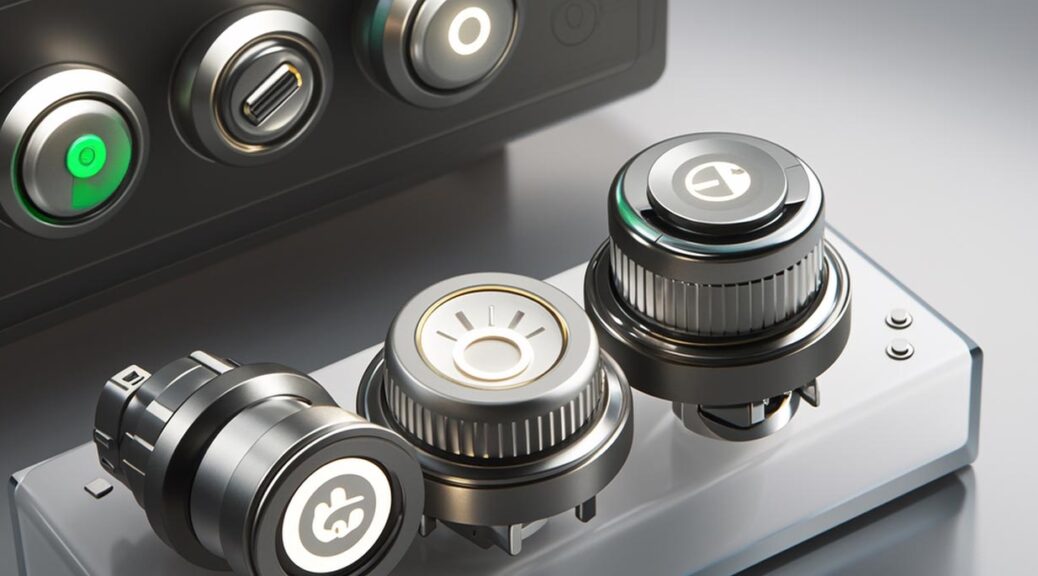
At its core, an illuminated push button switch is a type of control switch that integrates light to provide visual feedback on its operational status. Unlike standard push buttons, this added light—usually an LED—signals whether the button is active or inactive, helping operators recognize the function’s status at a glance. These switches are widely used in control systems where visibility and instant feedback are essential for operations.

Typically, illuminated push button switches consist of the following components:

  • Button Cap: The user interface that is pressed to activate a function.
  • LED or Incandescent Lamp: Provides the illumination needed for visibility.
  • Switching Mechanism: Triggers the desired action when pressed.
  • Mounting and Wiring: Secures the switch to the control panel and connects it to the system’s circuitry.

The use of light ensures that the button is visible in dim or dark conditions, making it suitable for environments like industrial control rooms, aircraft cockpits, and medical equipment.

Applications of Illuminated Push Button Switches

Illuminated push button switches have gained traction in various sectors due to their multifunctionality and adaptability. Below are some of the major applications where these switches play an integral role:

  • Industrial Automation: In automated machinery, illuminated switches are crucial for initiating machine cycles, emergency stops, or resetting system errors. The illumination indicates machine states, reducing human errors.
  • Medical Equipment: In medical devices, precise control is vital. These switches allow healthcare professionals to receive immediate visual feedback, ensuring proper operation in sensitive environments like surgery rooms or life-support systems.
  • Consumer Electronics: Illuminated buttons on devices such as computers, gaming consoles, and home appliances provide a modern, sleek design while offering functional feedback like power-on or standby status.
  • Transportation: From aircraft cockpits to automobile dashboards, these switches provide critical control over systems such as lighting, heating, or navigation, ensuring the safe operation of vehicles even in low-light conditions.

Key Features of Illuminated Push Button Switches

Illuminated push button switches bring various features that make them a popular choice across industries. Here are some of the top characteristics that set these switches apart from standard control devices:

  • Enhanced Visibility: The most significant advantage of an illuminated switch is the clear visual indication of whether a circuit is active. This prevents accidental operation and ensures that users can easily identify the button’s status.
  • Durability: Most illuminated push button switches are designed to withstand harsh environments. Whether they are exposed to dust, moisture, or extreme temperatures, they maintain optimal functionality.
  • Energy Efficiency: Modern switches utilize LED illumination, which is more energy-efficient and longer-lasting than traditional incandescent lights, reducing maintenance needs and operating costs.
  • Customization: Many illuminated switches are available in different colors, shapes, and sizes to fit specific applications. You can select buttons with custom legends, ensuring clear communication of the button’s function.
  • Multiple Configurations: These switches come in single- or multi-pole designs, offering versatility in how they control circuits. Operators can easily adapt them to manage simple or complex operations.
  • User-Friendly Interface: For systems requiring frequent operator interaction, the ergonomic design of illuminated switches improves comfort, ensuring seamless use over extended periods.

Benefits of Using Illuminated Push Button Switches

The illuminated push button switch offers a myriad of benefits that make it indispensable for many control systems. Some key advantages include:

  • Improved Safety: The illuminated feature enhances safety by providing immediate visual feedback, ensuring operators can make quick decisions, especially in emergency situations.
  • Operational Efficiency: Clear visibility and the ability to monitor system status reduce the chances of operational errors, increasing overall efficiency in industrial and commercial environments.
  • Reduced Training Time: With intuitive interfaces and easy-to-understand visual cues, new operators can quickly learn how to operate the systems, reducing the time needed for training.
  • Aesthetic Appeal: Besides functionality, these switches often add to the aesthetic design of control panels, particularly in consumer electronics and modern industrial setups.
  • Cost-Effectiveness: Thanks to their energy-efficient LED lighting and robust construction, illuminated push button switches minimize replacement and maintenance costs, offering a high return on investment.

Choosing the right illuminated push button switch for your application requires careful consideration of several factors. Here’s a guide to help you pick the perfect switch for your needs:

  • Application Requirements: Define the specific role the switch will play within the system. Will it be used for heavy-duty industrial control, medical equipment, or consumer electronics? Each application may require different specifications.
  • Operating Environment: Consider the environmental conditions the switch will face. Will it need to resist moisture, dust, or extreme temperatures? Look for switches with appropriate IP (Ingress Protection) ratings to ensure durability.
  • Illumination Type: Most modern illuminated switches use LEDs due to their energy efficiency and long lifespan. However, some applications may still require incandescent bulbs for specific visual effects or cost reasons.
  • Size and Mounting: Ensure the switch fits into your control panel or device. Check the panel cutout dimensions and the depth behind the panel to ensure a proper fit.
  • Color and Customization: Depending on your needs, you may want to select specific colors for different buttons to enhance the ease of use. Additionally, customized legends can clarify the button’s function, further improving usability.
  • Contact Configuration: Determine whether you need single-pole or multi-pole configurations. Single-pole switches are suitable for simpler functions, while multi-pole switches can control multiple circuits from a single interface.

Illuminated Push Button Switch for Industrial Automation

In industrial settings, illuminated push button switches are crucial for maintaining smooth and safe operations. Whether used for starting heavy machinery or triggering emergency stops, these switches provide reliable control and instant visual feedback. The LED illumination ensures that operators can quickly identify whether a machine is in operation or idle, reducing downtime and potential hazards.

One of the primary advantages in industrial automation is their ability to withstand harsh environments. Industrial-grade push button switches are typically built to resist dust, moisture, and vibrations, ensuring longevity even in challenging conditions. Additionally, many of these switches come with an IP rating, which offers peace of mind that the switch will operate effectively in various environmental conditions.

FAQs

  • What is an illuminated push button switch?
    An illuminated push button switch is a control device that integrates light, usually LED, into the button to provide visual feedback. This makes it easier for operators to determine the status of a function at a glance.
  • Where are illuminated push button switches commonly used?
    Illuminated push button switches are widely used in industrial automation, medical equipment, consumer electronics, and transportation systems. They are favored for their visual feedback and ease of use in control systems.
  • What are the benefits of using an LED-illuminated push button switch?
    LED-illuminated switches offer enhanced visibility, energy efficiency, and longer service life compared to incandescent-lit switches. They also reduce maintenance and operational costs.
  • How do I choose the right illuminated push button switch for my needs?
    When choosing a switch, consider factors like the application, operating environment, illumination type, size, and contact configuration. Each application may require specific features to ensure proper functionality.
  • Are illuminated push button switches durable?
    Yes, most illuminated push button switches are designed to withstand harsh environmental conditions such as dust, moisture, and vibrations. Many come with high IP ratings to ensure longevity.
  • Can illuminated push button switches be customized?
    Yes, many manufacturers offer customization options, including different colors, legends, and contact configurations, to meet the specific needs of an application.

Conclusion

In today’s advanced control systems, the illuminated push button switch plays a critical role in enhancing user interaction, improving operational efficiency, and ensuring safety across various industries. Its ability to provide instant visual feedback makes it an indispensable tool in environments where quick decision-making is paramount. Whether used in industrial automation, medical devices, or consumer electronics, illuminated push button switches are a perfect blend of functionality and aesthetics. Choosing the right switch for your application can make all the difference in maintaining smooth, efficient, and safe operations.
Fill out my online form.

FILN 12MM Metal Mini Pushbutton Switches: Compact, Durable, and Reliable Control Solutions

In a world that increasingly relies on electronic devices for various applications, the role of switches cannot be overlooked. One of the most versatile and compact solutions available today is the FILN 12MM Metal Mini Pushbutton Switch. These small yet highly durable switches offer an excellent combination of reliability, ruggedness, and functionality. Designed to handle various operational environments, these pushbutton switches are becoming essential in many industries, from consumer electronics to industrial machinery.

12MM-push-button-switch

What Are FILN 12MM Metal Mini Pushbutton Switches?

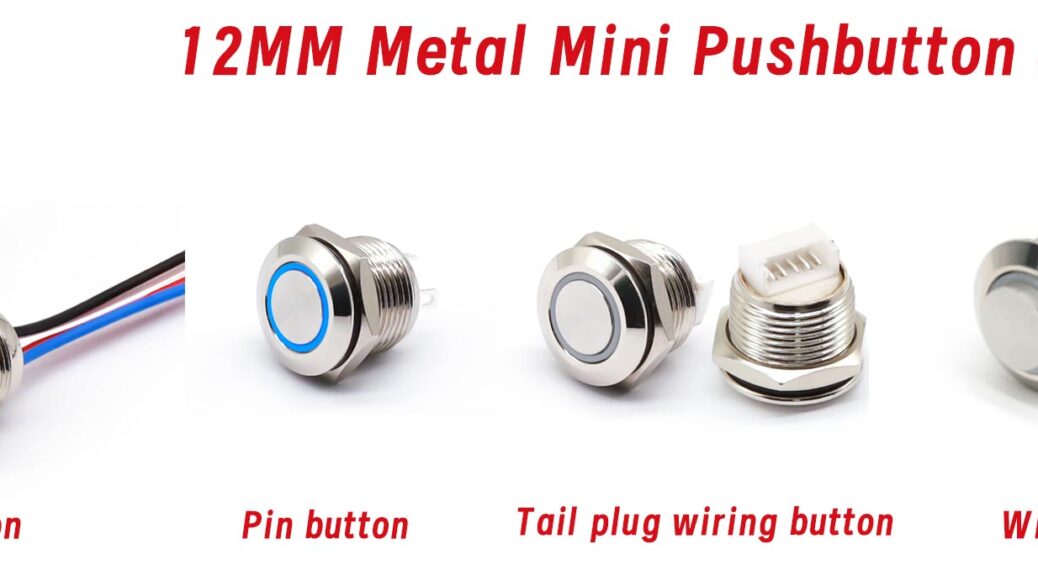
At its core, the FILN 12MM Metal Mini Pushbutton Switch is a mechanical switch designed for compact spaces and precise control. As the name suggests, the switch features a 12mm diameter and is crafted from metal, ensuring it can withstand tough conditions while offering a sleek and professional appearance. It comes in both momentary and latching variants, depending on the application needs.

Unlike traditional large switches, these mini pushbutton switches provide the benefit of size without compromising functionality. Their compact nature makes them ideal for devices where space is a constraint, but durability and reliability remain critical.

Key Features of FILN 12MM Metal Mini Pushbutton Switches

Understanding the features of these mini pushbutton switches helps in appreciating their utility across different applications. Here are some of the key characteristics that make them stand out:

  • Durability: Built with high-quality metal, these switches are corrosion-resistant and capable of withstanding environmental stress, including exposure to moisture, dust, and other harsh conditions.
  • Compact Size: The 12mm diameter makes these switches ideal for devices with limited space, such as control panels, remote devices, and small consumer electronics.
  • LED Options: Many models come with built-in LED indicators, making it easy to identify the status of the switch—whether it’s in the “on” or “off” position.
  • Customizable: The switches are available in various configurations, allowing for customization in terms of voltage, current rating, and design preferences.
  • Long Lifespan: These pushbutton switches are designed for a long operational life, often rated for over 100,000 cycles, depending on usage.

Applications of FILN 12MM Metal Mini Pushbutton Switches

The FILN 12MM Metal Mini Pushbutton Switches are employed in a wide range of applications, owing to their versatility, reliability, and compact design. Here are some of the most common areas where they are used:

Industrial Machinery
In industrial settings, the durability and long life of these switches make them ideal for control panels, machinery operation, and safety systems. Their compact design ensures they can be placed in tight spaces on equipment without sacrificing control capabilities.

Consumer Electronics
Mini pushbutton switches are perfect for consumer electronics, such as gaming devices, handheld gadgets, and portable tools. The small size and customizable features make them an excellent choice for manufacturers looking to integrate reliable switches into compact products.

Automotive Industry
In vehicles, these switches are used for interior controls like dashboard buttons, window regulators, and other small, high-use components. The metal casing provides robustness, and the optional LED lighting offers clear visibility in dark environments, enhancing user experience.

Medical Devices
Medical equipment often demands precision and reliability. The FILN 12MM Metal Mini Pushbutton Switches can be integrated into medical devices where exact control and durability are critical. Their compact nature is particularly useful in medical instruments, which often need to be portable.

Aerospace and Defense
In high-performance environments like aerospace and defense, reliability is paramount. These switches are used in control systems, communication devices, and other essential equipment where failure is not an option. Their ability to withstand harsh environments makes them a trusted choice in these industries.

Applications of push button switch

Advantages of Using FILN 12MM Metal Mini Pushbutton Switches

When selecting a pushbutton switch for a project, it’s essential to weigh the advantages of the product. The FILN 12MM Metal Mini Pushbutton Switches offer numerous benefits, some of which include:

  • Space Efficiency: The small footprint of these switches ensures they don’t occupy much space, making them ideal for compact devices.
  • High Reliability: The metal construction and robust engineering make these switches highly reliable, even in demanding applications.
  • Aesthetic Appeal: Their sleek design, often coupled with LED lighting, adds a professional look to any product, enhancing the user interface.
  • Ease of Installation: Despite their size, these switches are straightforward to install and integrate into both new and existing systems.
  • Custom Options: With customizable voltage ratings, colors, and operating modes, push button switch manufacturers can tailor these switches to their specific needs.

How to Select the Right FILN 12MM Metal Mini Pushbutton Switch for Your Application

Choosing the right switch requires understanding your project’s specific needs. Here are some key considerations when selecting a FILN 12MM Metal Mini Pushbutton Switch:

  • Voltage and Current Rating: Ensure that the switch can handle the voltage and current requirements of your device.
  • Operating Environment: Consider the conditions the switch will be exposed to—whether it needs to be waterproof, dustproof, or resistant to mechanical wear.
  • Momentary vs. Latching: Decide whether you need a momentary switch (which returns to its original position after being pressed) or a latching switch (which stays in its new position after being pressed).
  • Illumination: Some applications may require LED lighting to indicate the switch’s status, especially in low-light environments.
  • Size Constraints: Ensure that the 12mm diameter is suitable for your design’s space requirements.

When installing the FILN 12MM Metal Mini Pushbutton Switches, following these tips will ensure optimal performance and longevity:

  1. Mounting Preparation: Before installing, ensure the mounting hole is of the correct diameter (typically 12mm) to accommodate the switch.
  2. Wiring: Follow the wiring diagram provided by the manufacturer to connect the switch correctly. Ensure that the connections are secure and insulated to avoid short circuits.
  3. Positioning: Place the switch in a location that is easy to access and aligned with the rest of the control panel or device layout.
  4. Testing: After installation, test the switch to ensure proper functioning. Press the switch multiple times to verify both electrical and mechanical operations are smooth and consistent.

Maintenance and Care for FILN 12MM Metal Mini Pushbutton Switches

Like any component in an electronic or mechanical system, regular maintenance can extend the life and reliability of your FILN 12MM Metal Mini Pushbutton Switches. Here’s how to maintain them:

  • Cleaning: Periodically clean the switch surface to prevent dust and grime buildup, especially in dusty environments.
  • Check for Wear: Over time, switches may show signs of mechanical wear. Regularly inspect the switch for any signs of damage or reduced responsiveness.
  • Inspect Wiring: Ensure that the wiring connected to the switch remains intact and free from fraying or other damage.
  • Test Functionality: Occasionally test the switch, especially if it’s used in a critical application, to confirm that it continues to perform as expected.

FILN 12MM Metal Mini Pushbutton Switches for Special Applications

While these switches are ideal for standard industrial and consumer uses, they also excel in niche markets:

Marine Equipment
In marine environments, corrosion-resistant materials are a must. The metal construction of FILN switches makes them well-suited for use in boats and ships, where exposure to saltwater is common.

Smart Home Devices
For those designing smart home systems, these mini pushbutton switches can provide a sleek and modern interface for light controls, security systems, or entertainment setups.

Outdoor Equipment
When used outdoors, the IP-rated versions of these switches protect against moisture and dust, making them perfect for weather-exposed applications such as outdoor lighting or kiosks.

FAQs

  • What is the maximum voltage rating for FILN 12MM Metal Mini Pushbutton Switches?
  • Most FILN 12MM Metal Mini Pushbutton Switches can handle up to 250V AC, though customizable versions may support other ratings.
  • Are these switches waterproof?
  • Yes, certain models come with IP65 or higher ratings, which offer protection against water and dust ingress.
  • Do these switches come with LED illumination?
  • Yes, many versions feature built-in LED indicators in various colors for added functionality and visibility.
  • Can I use these switches in automotive applications?
  • Absolutely! The metal construction and robust design make them suitable for automotive use, such as interior controls and dashboard systems.
  • What is the difference between momentary and latching switches?
  • A momentary switch returns to its original position after being pressed, while a latching switch remains in its new position until pressed again.
  • How many cycles can a FILN 12MM Metal Mini Pushbutton Switch endure?
  • These switches are typically rated for over 500,000 cycles, depending on the specific model and usage conditions.
Fill out my online form.

Exploring the Latest Trends in Push Button Switch Technology

Push button switches are a fundamental component in electronics, providing a simple yet effective mechanism for controlling a variety of devices and systems. As technology continues to evolve, so does the design and functionality of push button switches. This article delves into the latest trends in push button switch technology, highlighting the innovations that are shaping the future of this essential component.

Push Button Switch Technology

1. Introduction to Push Button Switches

Push button switches are electromechanical devices designed to control the flow of electricity in circuits. Typically, a user presses the button, which completes or breaks a circuit, allowing for the control of lights, motors, or other electrical devices. This simple operation has made push button switches a crucial element in many applications, from household appliances to industrial machinery.

With growing technological advancements, push button switches have evolved in design and functionality, offering more customization and improving both durability and user experience. The modern iterations of push button switches are no longer simple on/off devices but are integral to the operation of smart systems and complex machinery.

There are two primary categories of push button switches: momentary and latching switches. Momentary switches return to their default state when released, while latching switches maintain their state until pressed again. Each type serves different applications:

  • Momentary Switches: Common in keyboards and control panels, these switches provide quick user interaction.
  • Latching Switches: Often found in power systems where toggling a device on or off is required.

LED-illuminated push button switches are another popular variant. The LED indicator not only makes the switch easier to locate in low-light conditions but also offers feedback to the user, signaling when the switch is active or inactive.

3. The Role of Push Button Switches in IoT

The Internet of Things (IoT) has revolutionized the use of push button switches. Smart homes and connected devices rely on wireless push button switches that can be controlled via smartphones or integrated into home automation systems. These switches are often used to:

  • Turn on/off lights or appliances remotely.
  • Trigger specific actions, like activating security systems.
  • Monitor energy usage in smart homes, integrating seamlessly with IoT devices.

As IoT continues to grow, the demand for more intelligent, wireless-capable push button switches is set to rise.

4. Latest Materials in Switch Design

The materials used in push button switches have seen significant improvements, focusing on durability and sustainability. Traditional materials like plastics and metals are being replaced or supplemented with durable, high-performance polymers and metal alloys that can withstand extreme conditions.

Manufacturers are also looking towards eco-friendly materials, incorporating recycled plastics and metals into their designs to meet the growing demand for sustainable electronics. These materials offer not only environmental benefits but also ensure the switches are resistant to wear, corrosion, and temperature fluctuations.

5. Miniaturization and Micro Push Buttons

As electronic devices continue to shrink, the need for smaller components, including push button switches, has grown. Miniature and micro push button switches are now commonplace in compact electronics such as:

  • Wearable technology like smartwatches and fitness trackers.
  • Medical devices where space constraints and precision are critical.

These smaller switches maintain the same functionality as their larger counterparts but are designed to fit within increasingly compact electronic systems.

6. Tactile Feedback and User Experience

User interaction with push button switches has also improved due to advancements in haptic technology. Tactile feedback – the physical response a user feels when pressing a button – has become a key focus in switch design. This feedback enhances the user experience by confirming that an action has been registered.

Modern push button switches may also integrate sound and vibration feedback to offer additional sensory confirmation, further improving usability in environments where visual confirmation might be insufficient.

7. Customization and Aesthetic Trends

As consumer demand for personalized electronics grows, so too does the trend toward customizable push button switches. Manufacturers now offer options for:

  • Custom colors and finishes to match specific design aesthetics.
  • Engraving and labeling for clear identification of switch functions.
  • Minimalist designs that complement sleek, modern devices.

This customization is especially popular in industries such as consumer electronics, where the visual and tactile experience is a selling point.

8. Waterproof and Dustproof Innovations

In certain environments, push button switches must be resistant to water, dust, and other contaminants. These applications require switches with high Ingress Protection (IP) ratings, ensuring they remain operational in harsh conditions. IP-rated switches are used in:

  • Outdoor installations exposed to the elements.
  • Industrial machinery where dust and liquids are present.

These switches often feature sealed designs, ensuring longevity and reliability even in extreme environments.

Waterproof push button switch

9. Capacitive Push Button Switches

Capacitive technology has found its way into push button switches, offering a touch-sensitive alternative to traditional mechanical switches. Unlike mechanical buttons, capacitive switches rely on the electrical properties of the human body to detect input, which allows for:

  • Sleek, flat surfaces with no moving parts.
  • Increased durability and ease of cleaning, especially in environments where hygiene is critical.

These switches are increasingly popular in applications ranging from kitchen appliances to medical devices.

10. Safety Features in Push Button Switches

Safety remains a key consideration in the design of push button switches, especially in high-risk environments. Anti-vandal switches, for example, are designed to withstand heavy use and resist tampering, making them ideal for public spaces.

Additionally, emergency stop (E-stop) buttons play a vital role in industrial settings, allowing operators to quickly shut down machinery in the event of a malfunction or hazard.

11. Push Button Switches in Automotive Industry

Push button switches have become a hallmark of modern car interiors, replacing traditional ignition keys and offering enhanced convenience and security. Start-stop buttons are now standard in many vehicles, providing a seamless driving experience.

Additionally, push button switches in the automotive sector are often integrated with advanced safety systems, offering features like lane departure warnings and automatic parking assistance.

12. Energy Efficiency and Low Power Designs

As energy conservation becomes a priority, the design of push button switches is focusing on low-power solutions. These switches are optimized to:

  • Reduce energy consumption, particularly in battery-powered devices.
  • Enhance the energy efficiency of smart homes and IoT systems.

Some switches are designed to be self-powered, using the mechanical action of the button press to generate the necessary electrical signal.

13. Compliance with International Standards

Push button switches are often required to meet strict international standards, such as those set by the International Electrotechnical Commission (IEC) and the International Organization for Standardization (ISO). These standards ensure:

  • Safety in both consumer and industrial applications.
  • Quality and durability, especially in critical systems like medical equipment or automotive controls.

14. Push Button Switches for Medical Devices

Medical devices require push button switches that adhere to stringent hygienic and safety standards. These switches are designed to withstand regular sterilization and disinfection without compromising functionality.

In medical equipment, push button switches must also offer high precision, ensuring accurate and reliable performance in critical situations.

15. Future Trends in Push Button Switch Technology

Looking ahead, push button switches are poised to become even more advanced with the integration of artificial intelligence (AI) and predictive maintenance. These innovations could lead to switches that:

  • Detect wear and tear and signal for replacement before failure.
  • Integrate with biometric systems for enhanced security.
  • Utilize gesture control to eliminate the need for physical contact altogether.

Frequently Asked Questions (FAQs)

1. What is the difference between momentary and latching push button switches?

Momentary switches return to their default state when released, while latching switches maintain their state until pressed again, making them suitable for different applications.

2. How are capacitive push button switches different from mechanical switches?

Capacitive switches rely on touch, detecting the electrical properties of the human body, while mechanical switches require physical movement to activate.

3. Why are waterproof push button switches important in industrial settings?

Waterproof push button switches are designed to withstand exposure to liquids and dust, making them essential in environments where contamination or harsh conditions are common.

4. What are anti-vandal push button switches used for?

Anti-vandal switches are durable, tamper-resistant switches used in public spaces and high-traffic areas where they are subject to heavy use and potential damage.

5. How do push button switches contribute to energy efficiency in smart homes?

Push button switches with energy-saving features reduce power consumption by optimizing electrical control, especially in battery-powered and IoT-connected systems.

6. What role do push button switches play in automotive safety?

Push button switches in cars are integrated with advanced safety features like lane departure warnings and emergency stop systems, providing enhanced control and convenience.

Fill out my online form.